Even a genius like Albert Einstein found taxes confusing, reportedly telling his accountant that "the hardest thing in the world to understand is income taxes." With the April 15 tax deadline coming up, it's worth remembering that good tax planning isn't just something to think about once a year - it should be part of your overall money management plan throughout the year.
Getting organized early is really important. Keep all your tax forms like W-2s (your wage statements), 1099s (which show other types of income), and receipts for donations in one place. This makes it easier to work with financial advisors and tax preparers, and helps you spot ways to save on taxes.
Here are 5 simple but important tax ideas to keep in mind.
1. Think About Taxes When Planning for Retirement
When saving for retirement, taxes matter a lot. Different retirement accounts have different tax rules. For example, with a traditional 401(k) from your employer, you can reduce your taxes now by contributing money before it's taxed. With a Roth IRA, you pay taxes on the money now, but then don't have to pay taxes when you take it out in retirement.
If you're over 50, you can put extra money into these accounts (called "catch-up contributions"). Also, once you reach a certain age, you must take money out of some retirement accounts each year - these are called Required Minimum Distributions or RMDs. It's important to plan for these withdrawals to avoid penalties.
2. Use Special Tax-Saving Accounts and Strategies
There are special accounts and strategies that can help you save on taxes:
- Health Savings Accounts (HSAs) offer three tax benefits: you can deduct what you put in, the money grows tax-free, and you pay no taxes when using it for medical costs.
- Reposition assets from taxable accounts to donor-advised funds (DAFs) to make more of your tithing and charitable giving tax-deductible and make the earnings tax-free in these accounts, and better utilize your standard deduction.
- If you are an accredited or qualified investor, talk to your financial advisors about investments that have intangible drilling cost (IDC) deductions, accelerated depreciation, or charitable options.
- Consider converting IRAs to Roth IRAs using discounting strategies and offset the conversion tax with DAF or IDC deductions.
- Talk to your financial advisor about unbundling your Mutual funds and ETFs that are held in taxable accounts and replace them with the underlying individual securities instead, and then use daily tax loss harvesting to increase your after-tax returns.
- Talk to your financial advisor about cash alternatives to savings accounts and money markets that track the return of the highest-yielding federal money-market accounts but may defer taxes and generate more favorable long-term capital gains instead of the least favorable category of tax, ordinary income, that must be paid annually.
- People who make too much to contribute directly to a Roth IRA can still use what's called a "backdoor" strategy to get money into one.
Always talk to a tax professional about which strategies make sense for your situation.
3. Think About Your Legacy
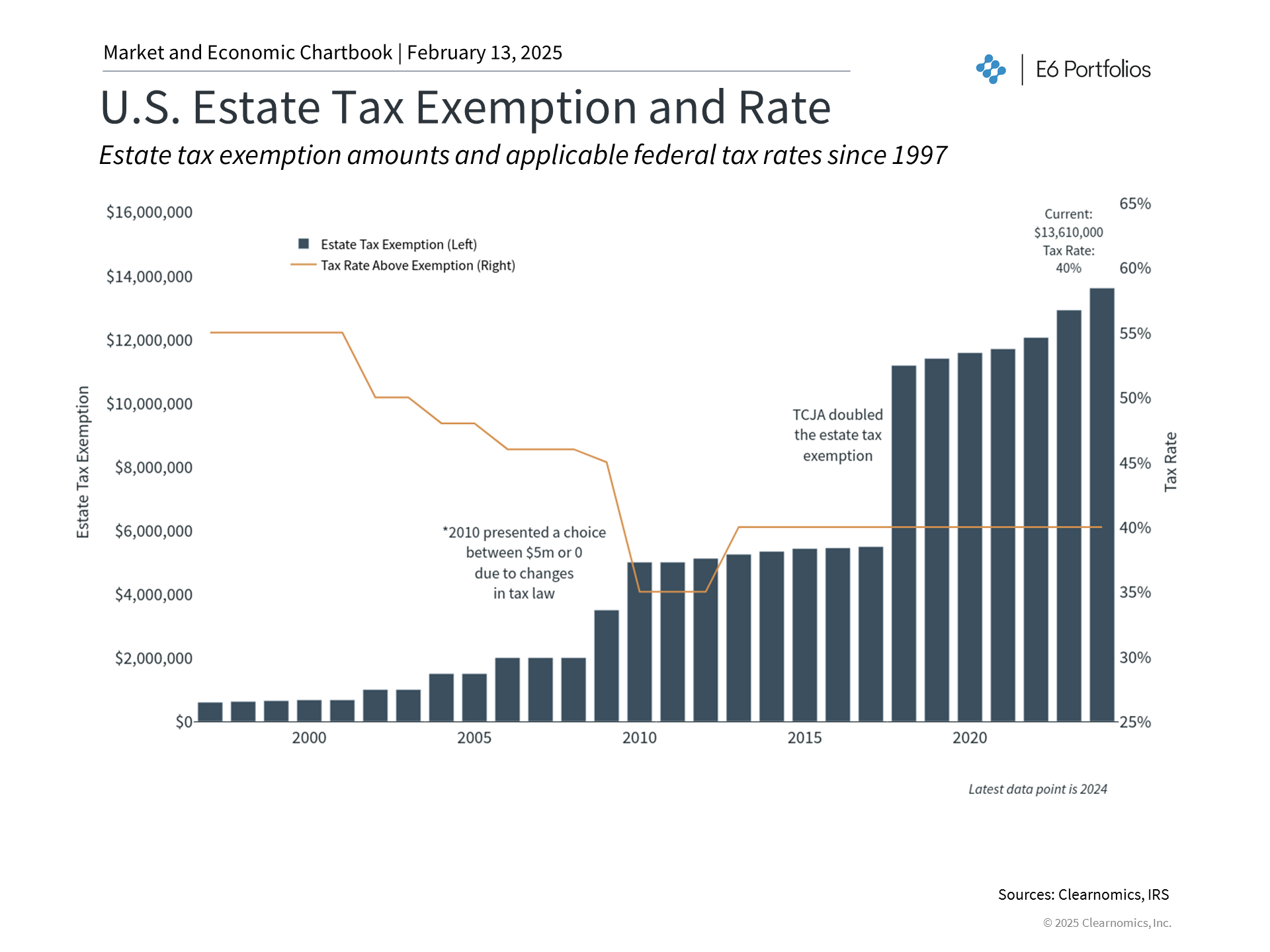 |
Planning how to pass on your money and property is important. Right now, married couples can pass up to $27.22 million to their heirs without federal estate tax, while individuals can pass up to $13.61 million. But estate planning isn't just about taxes - it's about making sure your wishes are followed and your family is taken care of.
Good estate planning might include basic documents like wills and more complex arrangements like trusts. Since each state has different rules, it's important to work with professionals who know the laws in your area.
4. Know How Your Investments Affect Your Taxes
Different types of investments are taxed differently. For example, when company stock options called RSUs become available to you (or "vest"), you owe taxes even if you don't sell them. Mutual funds can create tax bills through their yearly distributions, even if you reinvest the money. Some investments, like certain municipal bonds, offer tax advantages.
It's smart to think about these tax effects when planning for big expenses or charitable giving throughout the year.
5. Be Ready for Tax Law Changes
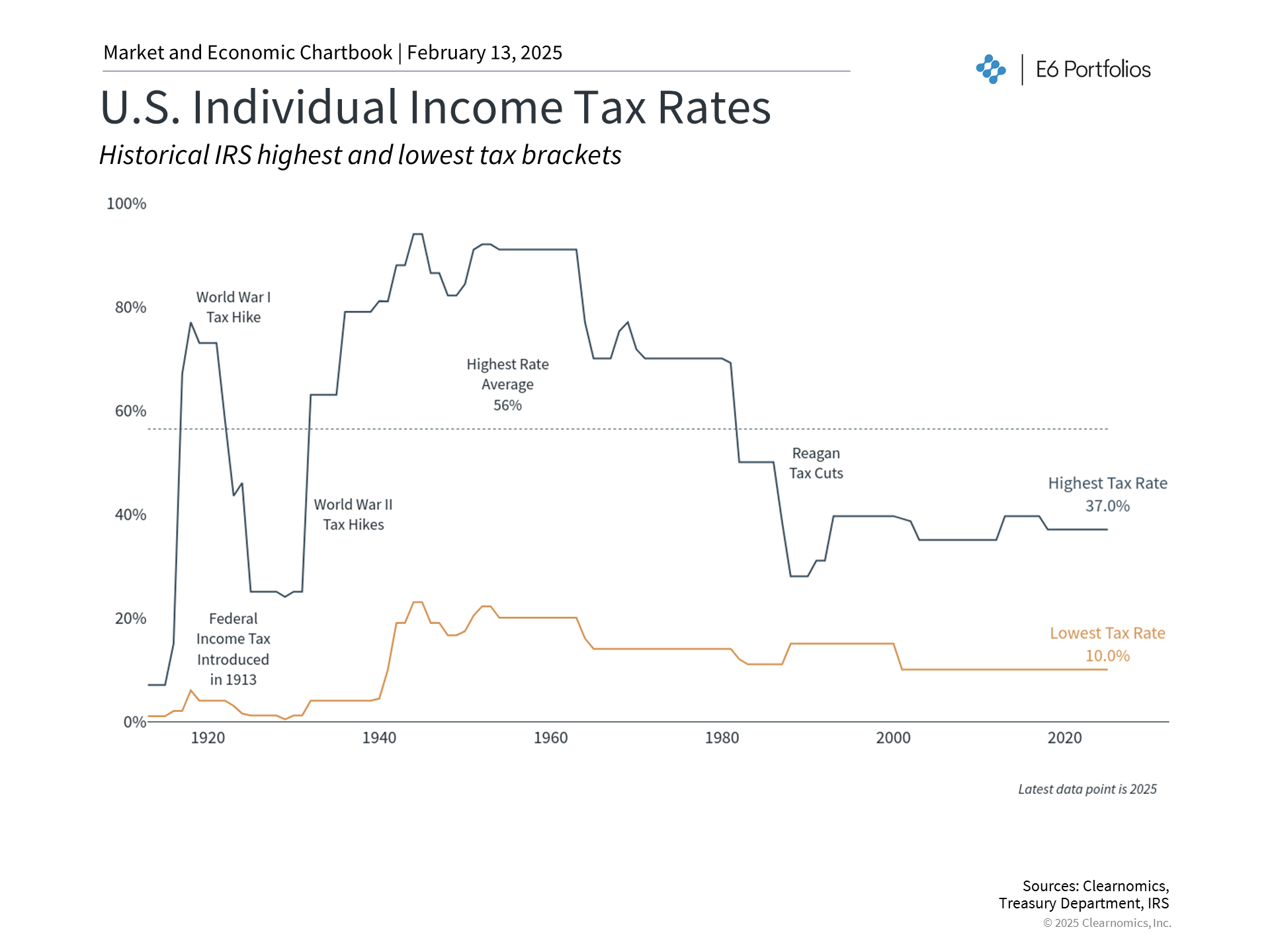 |
While President Trump's return to office might mean keeping current tax laws, remember that Congress must approve major tax changes. Tax rules often change over time, so it's wise to stay flexible in your planning.
The bottom line? Getting an early start with TomiPlan to identify tax opportunities and coordinate with your financial advisor and CPA can make a big difference not only this year but over multiple generations.